Drinking in the destination; Balearics & Gin
Tuesday, 13 January 2026
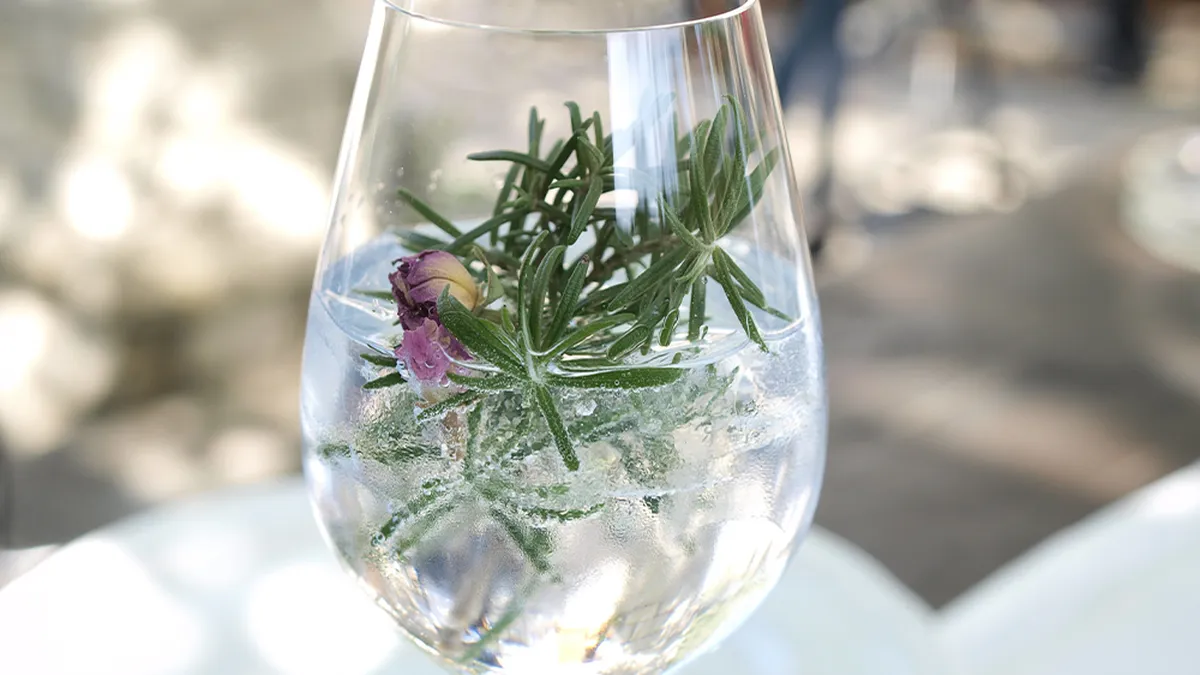
Spain’s Balearic Islands may be best known for their beautiful beaches and buzzing nightlife, but beyond that they are also home to stunning natural scenery and 5 of Spain’s 50 UNESCO World Heritage Sites. Even the delicious Mediterranean diet has been recognized by UNESCO as an Intangible Heritage of Humanity! When it comes to drinks, sherry and sangria might top the list but Spain - and the Balearics in particular - has also played a significant role in the globalisation of gin and how we drink it.
What is gin?
Gin is a distilled spirit that must, by law, be predominantly flavoured with common juniper, but can also include any number of botanicals (such as fruit, herbs and spices as well as other varieties of juniper) to add character and complexity. Traditional botanicals include citrus, coriander and angelica root, but producers around the world are increasingly experimenting with native and/or more unusual ingredients, from ancho chillies and yuzu to oyster shells and even elephant dung!
Spain’s relationship with gin
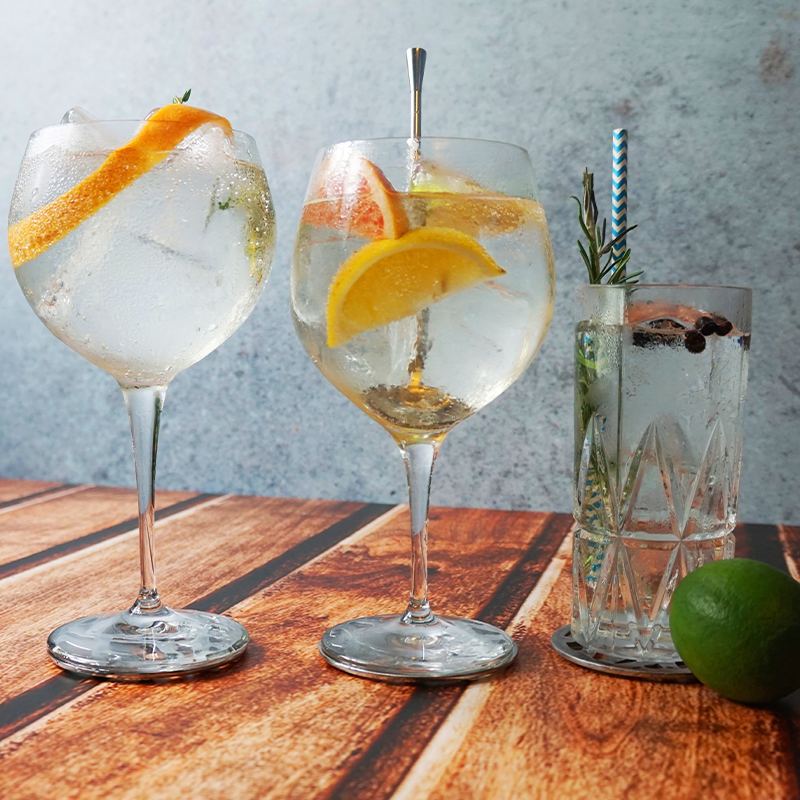
Spain is undoubtedly one of Europe's gin pioneers, and was also one of the world’s biggest consumers of the spirit long before the gin boom took off around 2010. Even if you’ve never been to this region, you’ve probably seen its influence on gin-drinking habits closer to home in the shape of large goldfish-bowl glasses of gin and tonic! Initially used for red wine, these balloon glasses or ‘copa de balón’ originated in the Basque region of Northern Spain in the 1700s, but became a popular choice for the local “Gin Tonica” in the early 2000s. Influenced by Spain’s gastronomy scene, the Gin Tonica is characterised by the use of lots of ice, lots of gin and eye-catching, elaborate and aromatic garnishes, and is best served in a large stemmed glass to prevent the contents from warming up. If you order a Gin Tonica in Spain be prepared for it to arrive embellished with anything from oranges to olives and star anise to strawberry laces! As for the tonic water, Spain can lay claim to that too, with its origins dating back to 17th century South America when Spanish settlers consumed cinchona bark mixed with water and sugar for its anti-malarial properties.
Menorca
The most northerly of the Balearic Islands, Menorca is a protected UNESCO Biosphere Reserve famed for its diverse habitats, including wetlands and sand dunes, and historical towns. However it is probably less well known for being the home of mayonnaise (yes, really!) and of Mediterranean gin.
With its strategic position equidistant from Barcelona, Marseille, Sardinia and North Africa, Menorca was an attractive proposition to the UK and France, and possession switched between the two powers throughout the 18th century. While under British rule a Royal Navy base was established in Mahón’s long natural harbour and, when the sailors and soldiers stationed on the island couldn’t find their favourite spirit, local merchants began to make gin - purportedly the first in the Mediterranean - to satisfy their demand.
Back then there were believed to be about half a dozen distilleries on the island, but today there is just one. Xoriguer Gin (pronounced 'sho-ri-gair') is made at the distillery perched on Mahón’s harbour walls, using a recipe that dates back to the early 1700s, with stills salvaged from some of the island’s older operations. It is also one of only a handful of gins worldwide to have a Geographical Indication that protects its production methods, which involve distilling a grape alcohol base with juniper sourced from the Catalan Pyrenees (and stored for at least one year) in 250-year-old wood-fired copper stills.
The resulting gin has a herbaceous character with resinous, piney juniper to the fore alongside subtle citrus notes, and is immediately identifiable by its unique green bottle embellished with a small loop; a nod to the stoneware jugs in which the gin used to be sold in bulk. While Xoriguer Gin can be enjoyed with soda or tonic water, the most quintessential serve is the Pomada; a refreshing combination of gin and lemonade that is closely associated with the island’s summer fiestas and patron-saint festivals but can be enjoyed year round (and also purchased pre-bottled from Xoriguer).
Mallorca
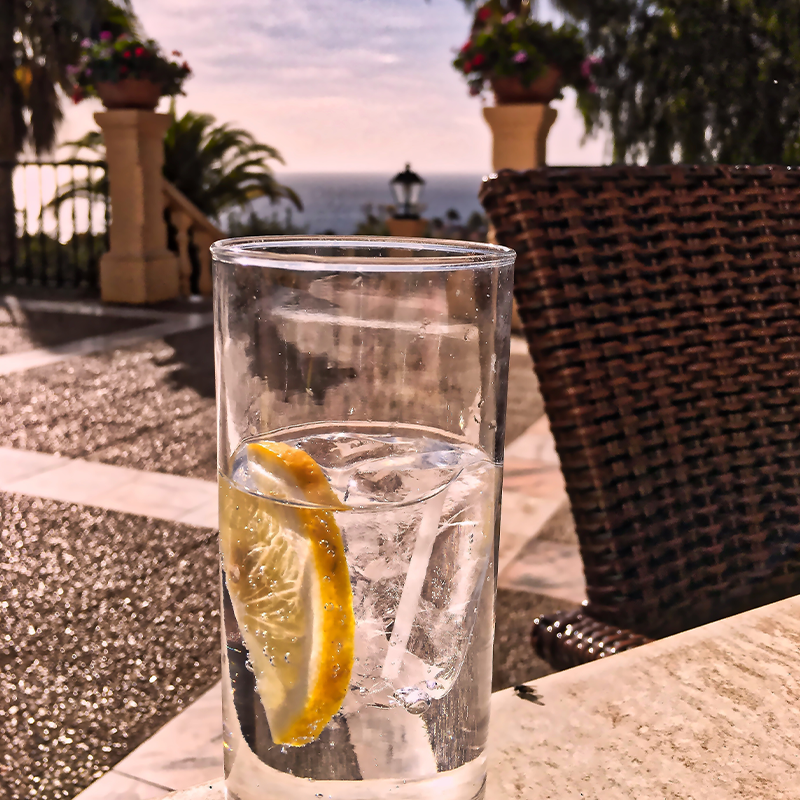
Mallorca has a long history of drinks production but historically was better known for its brandy and herbal liqueurs. Bodegas Suau was established on Mallorca in 1851 and initially produced rum and brandy, while its first gin product is said to have been released in 1919. In a nod to this, and inspired by the name the Romans gave to the largest of the Balearic Islands, Bodegas Suau added Maior Gin to their range in 2020. Alongside rosemary and local orange peel, Maior Gin features fig leaf in a nod to the Mallorcan tradition of drinking fig leaf tea during the grape harvest.
Esperit de Mallorca’s Cabraboc Gin is also inspired by the island’s traditions, taking its cue from the local liqueur ‘Hierbas Mallorquinas’ and using fennel and other herbs alongside oranges, lemon tree leaves and lemon verbena to create a gin with aniseed and citrus aromas.
Other brands well worth checking out (and that are also easier to find outside of Mallorca) include Palma Gin and Gin Eva. Crafted in Mallorca’s capital using local botanicals, Palma Gin makes a perfect souvenir with its stunning bottle design inspired by the traditional Mallorcan tiles ‘suelo hidraulico’, and also the rose window of Palma’s Gothic La Seu Cathedral which overlooks the city’s bay. Gin Eva, based in nearby Llucmajor, uses a locally foraged variety of juniper (oxycedrus) and citrus fruit from the Sóller valley, and also makes an outstanding olive gin. Named after the olive variety which is grown exclusively on the island, La Mallorquina is made using the pomace left over from pressing the olives for oil, creating a savoury gin that is perfect for a martini.
Ibiza
Ibiza is probably best known for its club scene and nightlife, but there is much more to the island from beautiful beaches and natural parks to pretty villages. The old quarter of Ibiza Town, known as Dalt Vila, is even a UNESCO World Heritage site due to its outstanding example of Renaissance military architecture.
There are two prominent gins made on the island which both aim to capture Ibiza’s character and landscape. Launched in 2012 by Familia Marí Mayans (who have been producing liqueurs and spirits for over 130 years), IBZ Gin is described as 100% Ibizan and combines juniper with thyme flowers, fresh rosemary leaves and citrus peels to create a Mediterranean character that reflects the island's rich green forests and trails. LAW Gin, meanwhile, uses a rare variety of phoenician juniper which grows on Ibiza, alongside other local, if rather unusual, botanicals such as prickly pear, Pimientos de Padrón and salt to capture the essence of Ibiza.
Café del Mar Gin captures the other side of Ibiza, celebrating the iconic venue of the same name and its famous sunsets, as depicted on the gin’s label. Although the spirit is not made on the island, the brand is committed to giving back to where it began, and every bottle sold helps fund IbizaPreservation’s work to safeguard another UNESCO World Heritage site; the island’s underwater meadows of Posidonia seagrass which absorb carbon dioxide from the atmosphere, filter sediment and protect the coastline from erosion.
Formentera
In contrast to nearby Ibiza, Formentera has a slower pace of life and a more peaceful, laid-back vibe. The smallest of the inhabited islands, Formentera is just 12 miles long but has approximately 43 miles of coastline that rivals the Caribbean with its white-sand beaches and turquoise waters. Inspired by its surroundings, F de Formentera Gin is made on the island using wild herbs and local fruits such as sage, mint, pomegranate and fig, and is turquoise blue in colour just like the island’s wonderful waters.
If this has got you dreaming of diving into the crystal clear Mediterranean Sea (or perhaps a double G&T!) why not dip your toe in the water by checking out Ambassador's Spain Cruises?
About the Author:
Sarah Miller is a freelance drinks writer, judge and consultant. Having developed a love of gin - and an uncanny knack for winning gin competitions(!) - in 2014, Sarah launched her blog ginadingding.com in 2016.
Since then Sarah has become a regular judge at a number of international drinks competitions - including The Global Spirits Masters, the World Drinks Awards, the American Distilling Institute International Spirits Competition and the Great Taste Awards - specialising in gin, vodka, RTDs and Low/No drinks.
Shortlisted for the IWSC’s Emerging Talent in Spirits Communication Award and Consumer Drinks Communicator of the Year in the People’s Choice Drinks Awards, Sarah also writes for a variety of publications and was appointed as the spirits columnist for New Zealand’s Drinksbiz magazine in late 2023.
Blog ginadingding.com
Instagram @gin_a_ding_ding
Facebook ginadingdingblog