Under the Surface - The Caribbean's Best Reef Experiences for Every Level
Friday, 3 July 2026
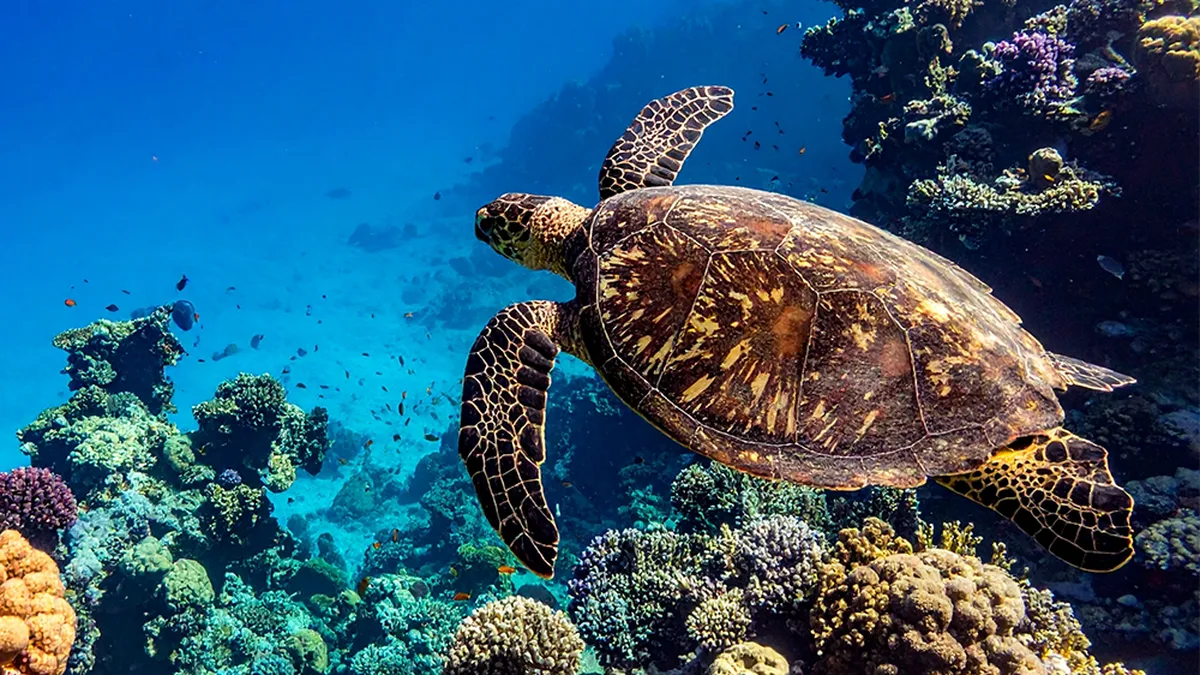
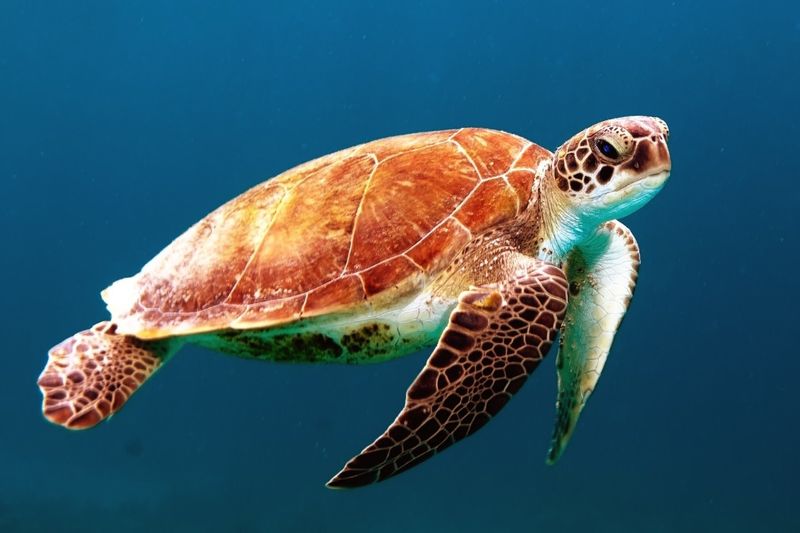
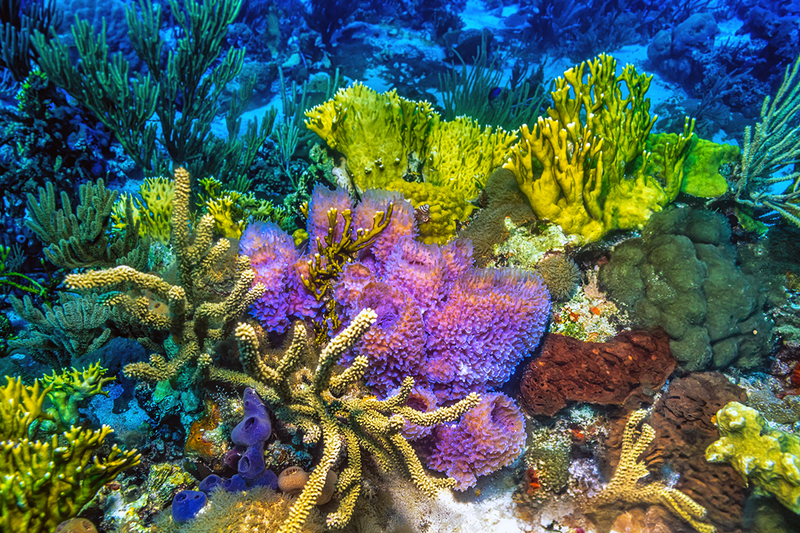
The Caribbean is two holidays in one. There is the holiday you can see from the beach - the turquoise water, the white sand, the view from the bar. And there is the holiday that begins the moment you put your head below the surface: coral gardens, sea turtles going about their unhurried day, fish in colours that seem implausible until they are directly in front of you.
This is the invitation for the second one.
You do not need a diving qualification to access it. On the Ambassador Caribbean fly cruise itinerary, the reef is closer to the surface than you might expect - and several ports have made a point of making it easy to reach. Here is where to go, depending on how far in you want to go.
NO EXPERIENCE NEEDED
TOBAGO - BUCCOO REEF AND THE NYLON POOL
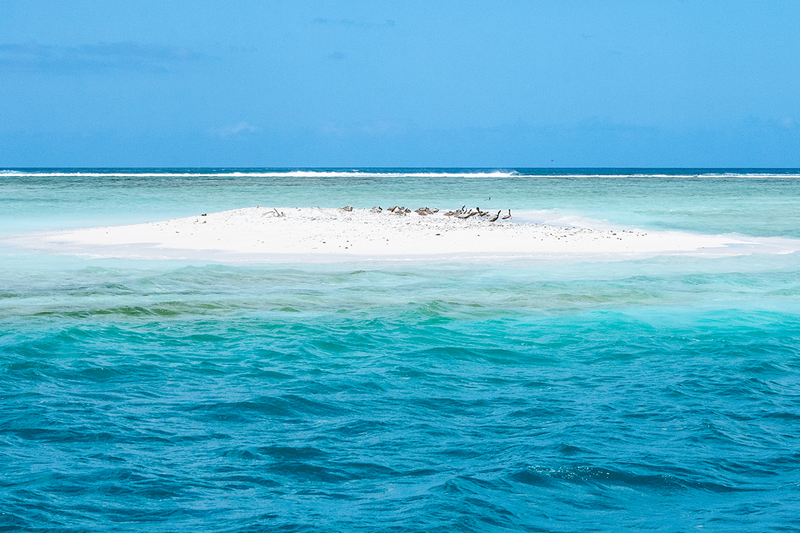
The glass-bottom boat from Store Bay, Tobago is the most accessible reef experience on the itinerary. You view the coral and the fish from above, reclining as the reef passes beneath the glass panel in the hull, before the boat continues offshore to the Nylon Pool: a natural sandbank a mile out to sea, waist-deep, warm and turquoise. Standing in the middle of the open Caribbean Sea with the horizon on every side is one of those experiences that sounds ordinary until it is happening. No swimming qualification required for either.
GRENADA — THE UNDERWATER SCULPTURE PARK
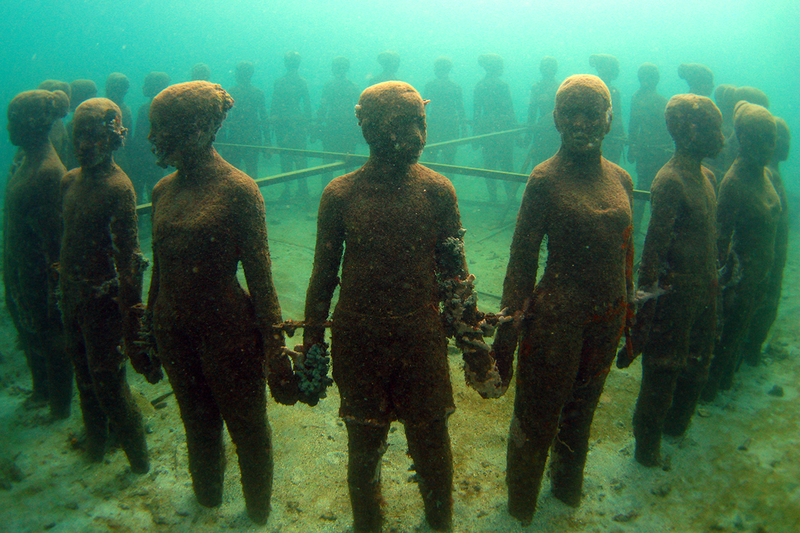
Off the northwest coast of Grenada, the Molinere Bay Underwater Sculpture Park contains over 65 concrete figures created by sculptor Jason decfCaires Taylor — a circle of human forms holding hands on the seabed, a man at a desk, faces emerging from the coral. The sculptures are now colonised by coral and fish. The shallowest are accessible by snorkel in around four metres of water. The water clarity means you can see them from the surface before you go in. One of the most extraordinary things you can encounter in the Caribbean without a diving qualification.
Read more: Tropical Shores and Hidden Gems of the Caribbean
CONFIDENT IN THE WATER
TORTOLA - NORMAN ISLAND AND THE CAVES
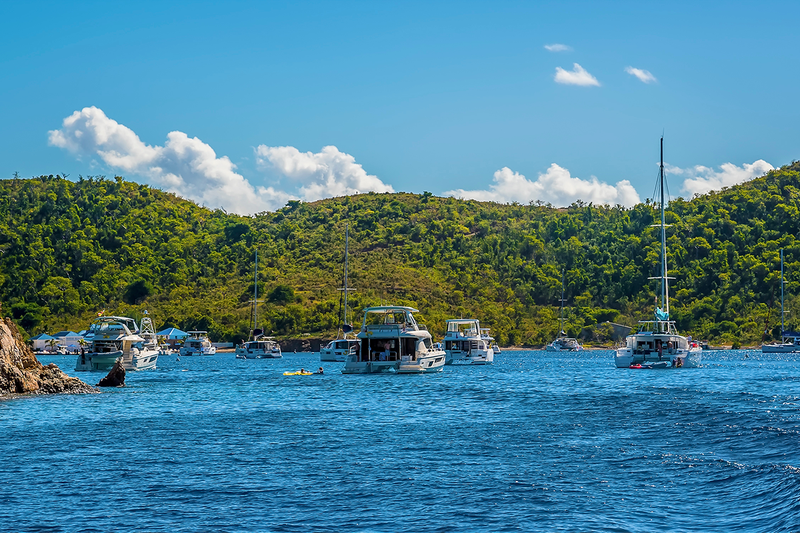
Norman Island - one of the islands said to have inspired Treasure Island - lies south of Road Town and is reachable by water taxi. The caves on the western shore are the primary snorkel destination: underwater caverns colonised by squid, glassy sweepers and occasional octopus, accessible at the surface and descending to around six metres. The current can be strong at the cave entrances. Confident swimmers upward. The marine life makes the effort entirely worthwhile.
ST LUCIA - ANSE COCHON
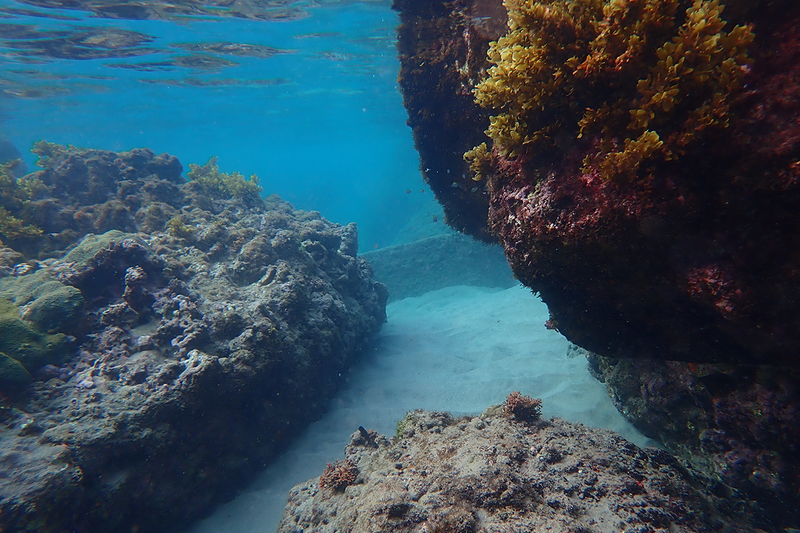
A remote bay on St Lucia's west coast, accessible by boat, where purpose-sunk wrecks and natural reef structures provide the island's finest snorkelling. Visibility typically 15-20 metres. The wrecks attract barracuda, moray eels and hawksbill turtles that appear in no particular hurry. A guided excursion from Castries takes around 45 minutes to reach the site. Ask specifically for the snorkel rather than the dive tour — both depart from the same boats.
Outstanding service
Outstanding service, 1st class crew, very obliging,
Booking process simple and embarkation efficient and speedy.
Areas around the ship spotlessly clean and well maintained,
Very comfortable lounges and bars,
Entertainment team exceptional, food wonderful and a good selection of menu choices, good shore excursion choices, cruises are great value for money which is why we keep returning 😀
– Verified Guest Review, Trustpilot
QUALIFIED DIVERS
BONAIRE - THE SHORE-DIVING CAPITAL OF THE WORLD
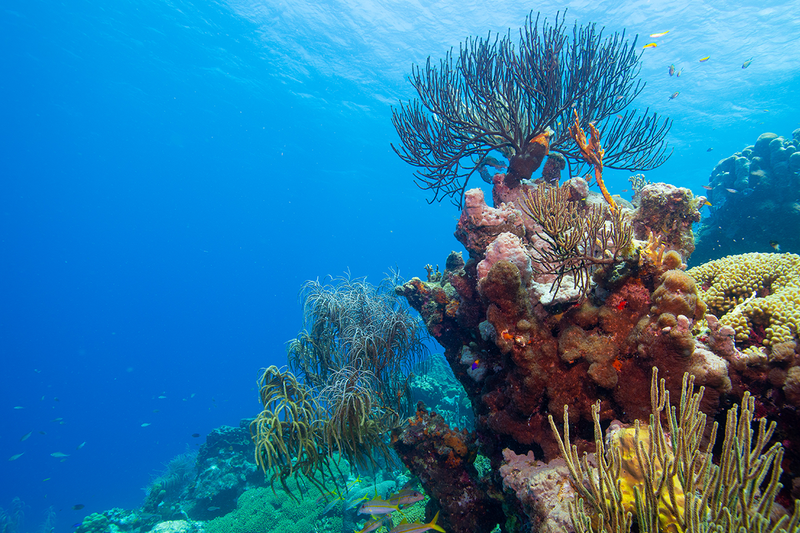
Bonaire requires no introduction for anyone who dives. The entire island coastline is a designated national marine park - no anchoring, no taking, no exceptions - and the result is one of the most pristine reefs on earth. Shore diving here requires nothing more than equipment and a site map: drive to the location, pull on your gear and step in from the road. The coral begins immediately. Visibility regularly exceeds 30 metres. Klein Bonaire, the uninhabited island just offshore, offers wall diving with sea turtles, eagle rays and fish density that experienced divers tend to describe in superlatives.
Introductory courses are available locally depending on itinerary. If you have been putting off learning to dive, Bonaire is the correct place to stop putting it off. There is nowhere better to begin and almost nowhere better to continue.
Read more: What to pack for: A Caribbean Cruise
A NOTE ON THE REEF
Every marine park on this itinerary exists because a government made a decision to protect what it had before it was gone. The Bonaire Marine Park, the Tobago Cays in St Vincent's Grenadines, the reefs around Grenada's northwest coast - all are in better condition than they would otherwise be because of deliberate protection. Visiting as a snorkeller or diver contributes directly to the case for that protection. The best way to care about a reef is to have been in one.
WANT MORE CARIBBEAN TRAVEL TIPS, UPDATES AND INSPIRATION?
Sign up to the Ambassador Cruise Line newsletter for expert advice, special deals and inspiring travel guides delivered straight to your inbox.
WHY CRUISE WITH AMBASSADOR
Discover a different side of the Caribbean with Ambassador. Sailing from UK ports with welcoming service, comfortable smaller ships and a wide range of destination experiences, it’s easy to explore unforgettable coastlines while experiencing the natural beauty waiting beneath the surface.
For more travel tips, be sure to read the articles on our blog.