Kralendijk, Bonaire Cruise Holiday 2026/2027
Fly from Manchester or London Heathrow with Virgin Atlantic
The Island That Gave Its Reef a National Park
Bonaire made a decision early. The entire coastline - every metre of it - is a designated national marine park. No anchoring. No taking. No exceptions. The result is one of the most pristine stretches of coral in the entire Caribbean, and an island that has chosen, quite deliberately, to remain exactly what it is.
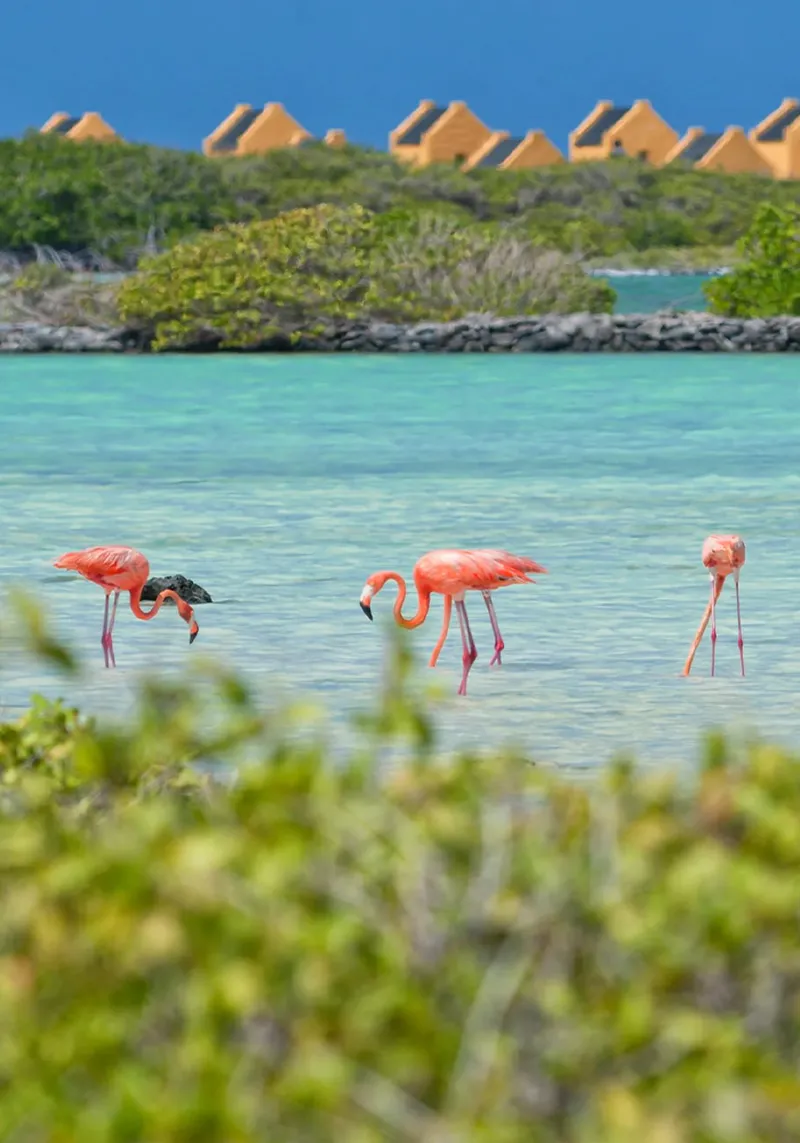
Kralendijk, the small Dutch capital, reflects that same unhurried character: pastel-painted Dutch colonial buildings along a waterfront that has resisted the kind of development that changed its neighbours. Inland, the landscape turns arid and dramatic - cactus scrub, ancient rock formations, roaming donkeys and the blinding white of the salt flats, where thousands of flamingoes wade in the shallows of the pink-tinged pans. Bonaire is not trying to be anyone's idea of a Caribbean paradise. It is too busy being itself.
For Those Who Want to Go Deeper
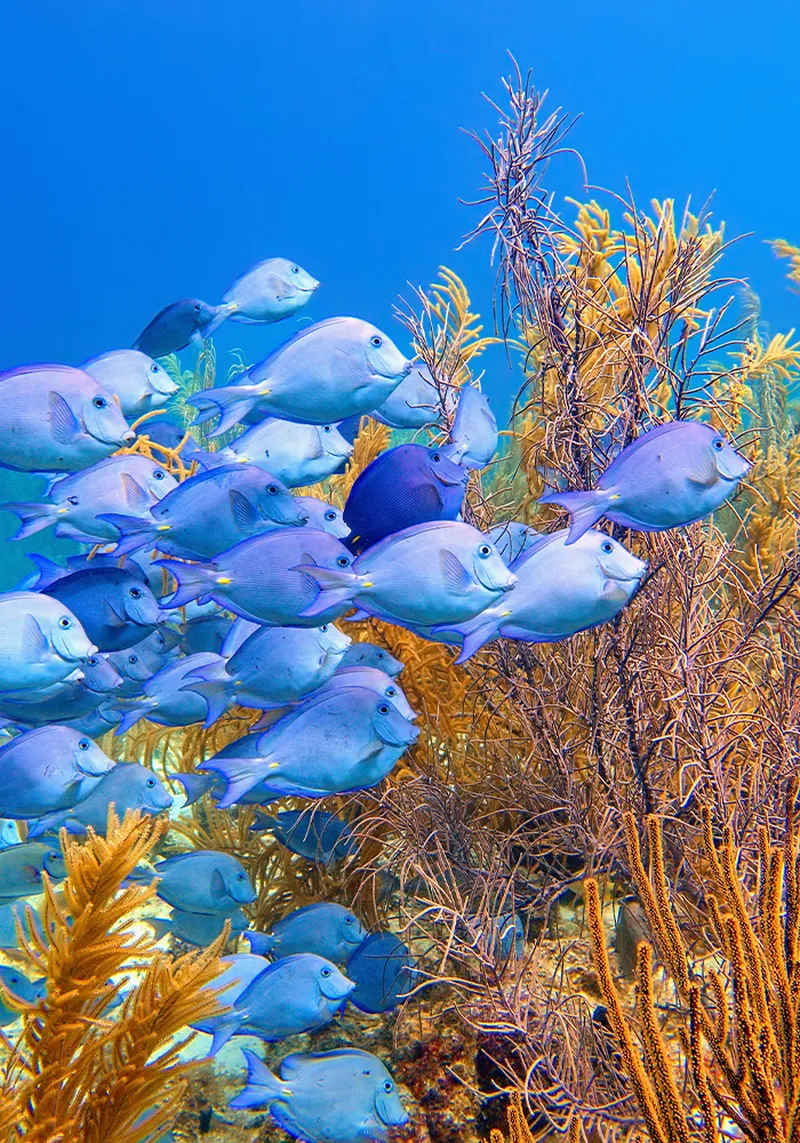
Bonaire is consistently ranked among the top three dive destinations in the world - and the reason is simple. The reef begins where the island ends. Shore diving here requires no boat, no guided group, no waiting. Drive to a site, pull over, kit up and step in. The coral is immediately below you, and the fish - parrotfish, angelfish, sea turtles, eagle rays - are simply there, going about their day, entirely unconcerned by visitors.
For those who have never dived, Bonaire is one of the finest places in the world to learn. The water is warm, calm and clear, with visibility regularly exceeding 30 metres. Guided introductory dives are available locally, and the shallow reef sections are as rewarding for beginners as the deeper walls are for experienced divers.
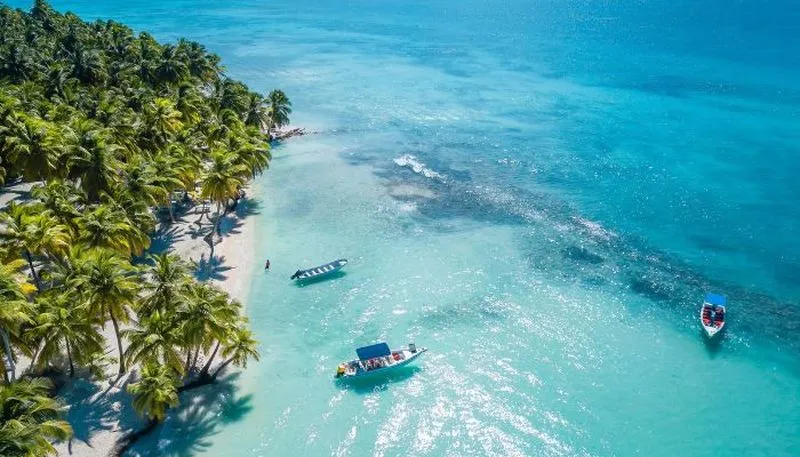
Not a diver? The snorkelling is exceptional. Klein Bonaire - the small uninhabited island just offshore - is ringed by coral that begins in waist-deep water. Glass-bottom boat tours cover the reef without getting wet.
Five Things Bonaire Does Better Than Anywhere Else
The Reef - At the End of Your Fins
Step in from the shore and the coral is immediately below you.
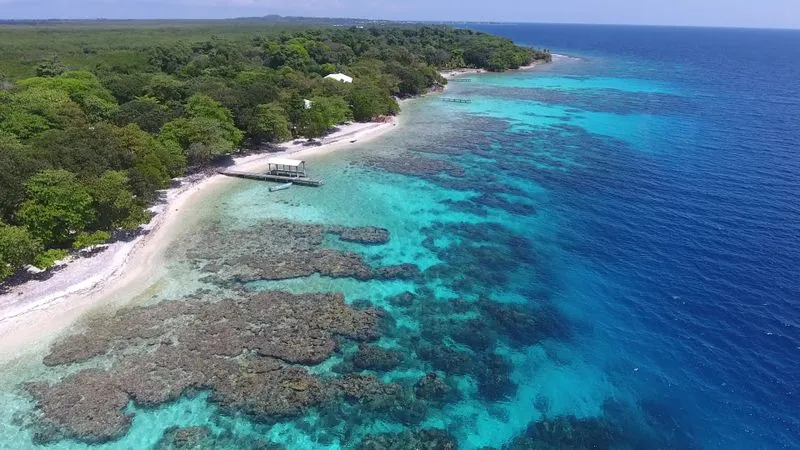
Klein Bonaire
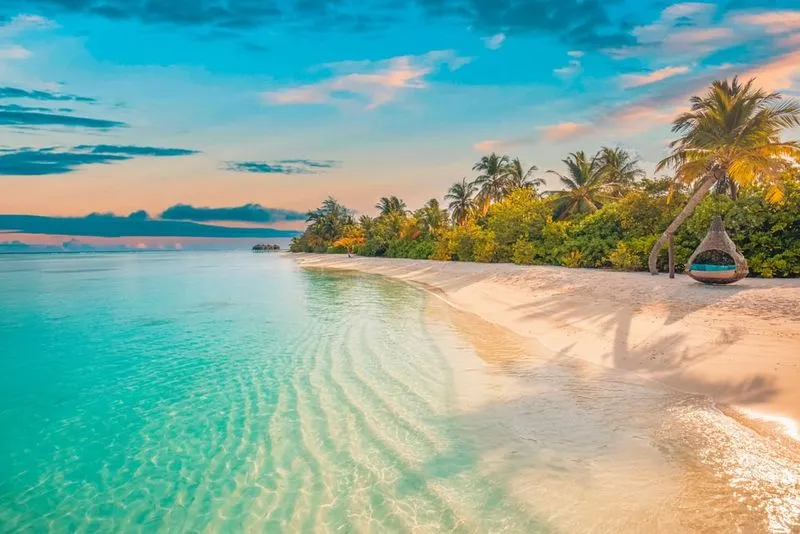
An uninhabited island twenty minutes offshore, ringed by white sand and coral that begins at the shoreline. No buildings, no noise, no people. Just the reef and the sea.
The Flamingo Salt Flats
The southern salt pans - brilliant white under the sun, tinged pink at the edges - are home to one of the Caribbean's largest flamingo colonies. The coloured slave huts along the shoreline make this one of the most photographed landscapes in the Dutch Caribbean.
Washington Slagbaai National Park
Cactus desert, volcanic rock pools, ancient cave paintings and a coastline where the Atlantic breaks against basalt cliffs. The park covers the northern third of the island and is one of the finest wildlife reserves in the Caribbean.
The Dutch Town That Stayed Dutch
Kralendijk's waterfront - pastel colonial buildings, a small floating market, boats tied alongside - has not been rearranged for tourism. It is a working Dutch Caribbean town, and it is all the more worth exploring for it.
READY TO EXPLORE KRALENDIJK, BONAIRE?
Start at the waterfront in Kralendijk and the reef is already within reach. Shore dive or snorkel directly from the coast, or take the short crossing to Klein Bonaire for the island's finest coral in the clearest water. In the afternoon, head south to the salt flats and the flamingo colony - pink birds against white salt and a Caribbean sky. North, Washington Slagbaai National Park offers desert, cliffs and a landscape that surprises every first-time visitor to the island. Bonaire is small enough to see in a day and rich enough to stay much longer.
FAQs - Kralendijk, Bonaire
Can I shore dive or snorkel directly from the coast?
Yes - the reef begins immediately off the shoreline at many sites around the island. Equipment hire is available locally. No boat is required for most of Bonaire's best dive and snorkel sites.
Do I need to be a qualified diver?
No. Introductory dives are available for complete beginners, and the snorkelling - particularly at Klein Bonaire - is outstanding without any diving qualification. Glass-bottom boat tours are also available.
Can I see flamingoes in Bonaire?
Yes. The salt flats in the south of the island are home to one of the largest flamingo colonies in the Caribbean. The birds are visible from the road and most accessible in the early morning.
Do I need a visa to visit Bonaire?
No. Bonaire is a special municipality of the Netherlands - UK travellers need a valid passport but no visa.
What currency is used in Bonaire?
The US dollar is the official currency. Major credit cards are accepted in most shops and restaurants; cash is useful for smaller purchases.
Is Bonaire suitable for older or less mobile travellers?
Kralendijk waterfront and the salt flats are easily accessible. The snorkelling at Klein Bonaire involves a short boat crossing and entry from the beach. Washington Slagbaai National Park involves uneven terrain - a 4WD vehicle is recommended for the interior.
Why Cruise to Bonaire with Ambassador?
- The reef is what you came for - and it's right there. No island on the fly cruise itinerary puts world-class marine life this close to the shore. Renaissance docks in Kralendijk and the coral begins minutes away.
- Close to what matters - ashore and on board. Renaissance docks in Kralendijk itself. Bonaire's reef, flamingoes and national park are all within reach of a single day ashore. And when the day is done: full-board dining, West End-style shows, live music and cabaret every evening at sea, leisure facilities and drinks packages to close it.
- Fly with Virgin Atlantic. Direct flights from Manchester and London Heathrow with Virgin Atlantic - so the Caribbean begins before you board. We can also help with airport hotels and parking.